1976 Oxford Bicentennial Slide Show
by Dorothy A. DeBisschop
Originally presented as a slide show to the Oxford School Children as part of the 1976 Bicentennial celebration.
Contributed to Oxford Past by Oxford Municipal Historian, Dorothy DeBisschop, who was the secretary of the Bicentennial Commission.
-
#1 Norman Husted Building
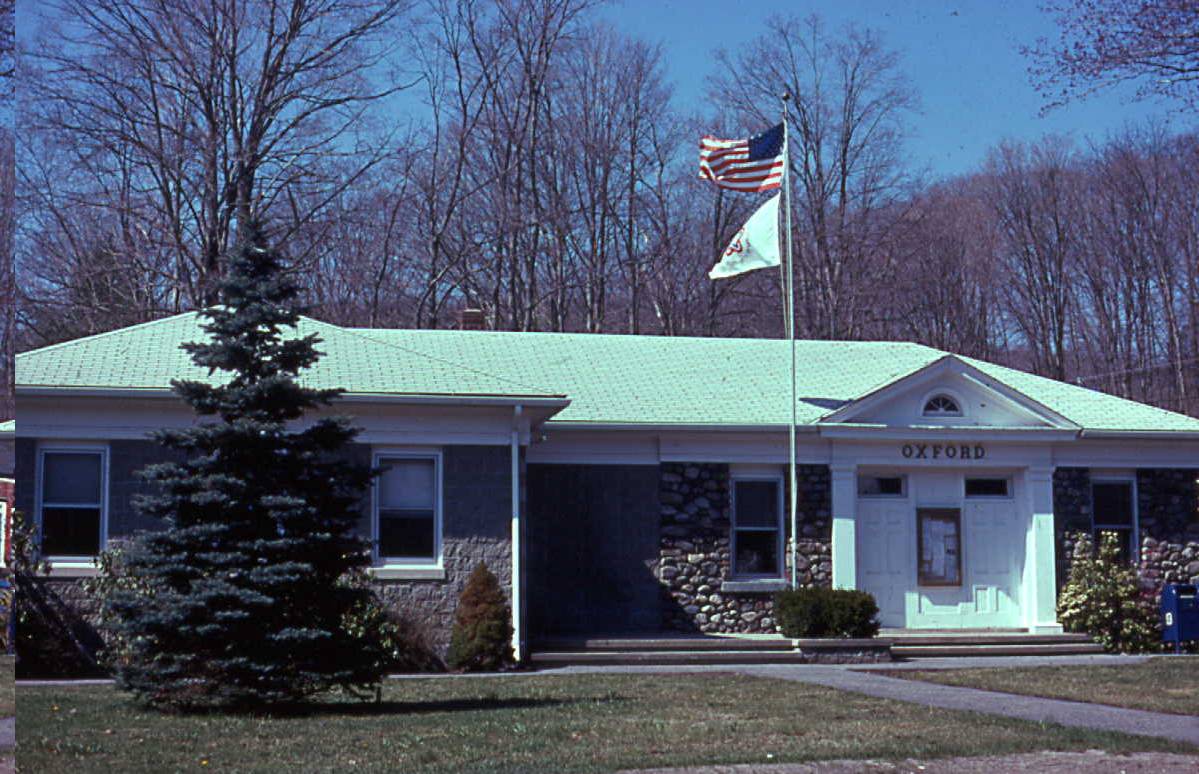
#1 Norman Husted Building, the former Oxford Town Hall. Taken during 1976, with Bicentennial flag. Today this building houses the Superintendent Of Schools & Res. State Trooper. On this site, in Revolutionary days, local men practiced for the Training Band. Military drills were held monthly under the local captains. Along what is now is Route 67, in the foreground, ran the Oxford Turnpike. This route was used by farmers as far away as Litchfield to drive their cattle and hogs to market in New Haven. The Oxford turnpike was a major route in colonial Connecticut, and was the second turnpike to be chartered in state.
Oxford’s first residents were Indians. Naugatuck River, near Pines Bridge, was the site of the largest Indian encampment in colony in early history. There were two major tribes living in Oxford. The Paugatucks lived on the east bank of the Naugatuck River and a few on the west bank in the Chestnut Tree Hill Area. The Pootatucks were settled nearer to the Housatonic River.
Indian Names that still survive:
- Housatonic -- Pootatuck name for River of the great Falls.
- Naugatuck -- One Tree, apparently for a single tree which stood by the falls in Seymour.
- Punkups -- Indian group which lived in that area of Oxford.
One native American's name is remembered in Toby's Mountain which is now a part of Beacon Falls. Captain Ebeneezer Johnson obtained Toby as a young Indian after a battle. Johnson later freed him and gave him land on the area mountain. After Toby died, he willed the mountain back to white men, including Timothy Johnson, Oxford veteran from American Revolution and son of his former master.
Early Settlement:
As far as the white settlement is concerned, Oxford was originally a part of Milford, which was later split into Milford and Derby. In 1665, Edward Wooster killed seven wolves in the Derby area, and tried to collect bounty money for them. But neither Milford nor New Haven would pay it -- claiming it was not a settled village, though Wooster was living there.Oxford’s Incorporation from Derby:
Oxford residents wanted a separate town, but Derby voters refused to grant the resident the right to a separate town. The question was voted at annual meeting in Derby on a regular basis, with the Oxford residents losing each time. The procedure for town meeting was that the people would all go to Derby prior to the meeting, stop at a local tavern for rest and refreshment before going to the meeting. Because they made the tavern stop, the town meetings always opened late. One year, in 1798, the Oxford residents went directly to the meeting house, and started the meeting while the Derbyites were still at the taverns. They opened the meeting and voted to allow Oxford to be set off as a separate parish. -
#2 Skeel-Davis House
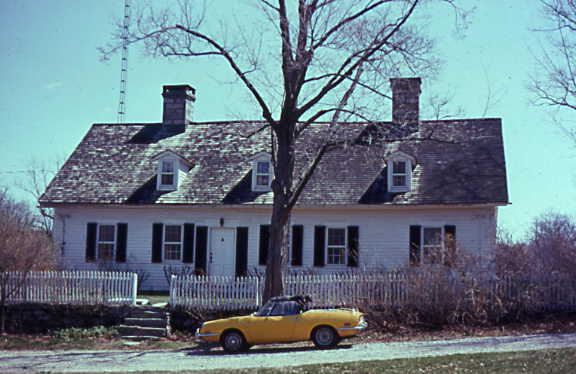
#2 Skeel-Davis House. This house on Bowers Hill Road was built in 1710 by Anson Skeel. Another Davis built a home off Great Hill on what was to become Oxford’s most famous fruit farm. Today the area is known as Peach Farm Road in honor of its history. There is also a Davis Road, off Hogback Road, which is named for the descendants of Col. John Davis.
-
#3 John Davis Tombstone
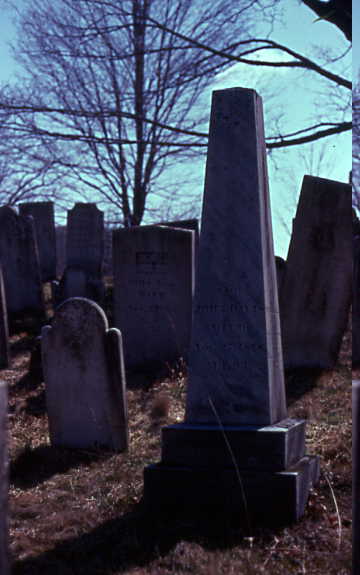
#3 John Davis Tombstone This is the tombstone of Col. John Davis, who lived on Chestnut Tree Hill.
When Davis was a young man, he favored the English in their quarrels with the colonies. However, he was kidnapped by a British band who swept across the area. They took him with them to Long Island and held him prisoner. He finally escaped, returned to Oxford, and changed his mind about the British. He took the pledge of loyalty to the patriot cause.
After the revolution, Davis served with the local militia, reaching the office of Colonel. He reached old age and was still an active farmer. At the age of 90 he broke a colt and rode him from Oxford to New Haven. In the summer before he was 93, he went out with the men to mow the meadows.
He died in 1848 after a fall from his horse.
-
#4 Riggs Street House
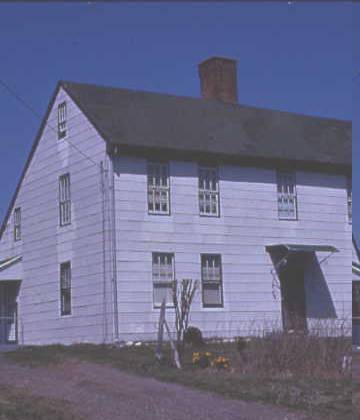
#4 Riggs Street House This house was built by member of the Riggs family, for whom Riggs Street was named. A father and several sons built houses on Riggs Street.
The father, Deacon Ebeneezer Riggs helped establish the Oxford Congregational Church in 1741.
This house was later owned by Horace Cable, who was prominent as a hat maker in the years when Oxford was known for its hat industry.
-
#5 Osborne-Wheeler House
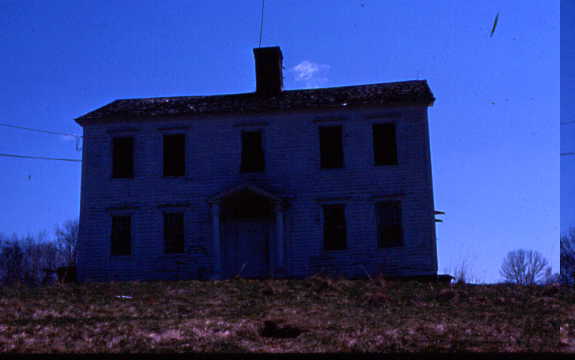
#5 Osborne-Wheeler House The Osborne Wheeler house is no longer standing. The land was from an original land grant by Captain Riggs to Samuel Wheeler.
The original owner, Samuel Wheeler, came to Oxford with his new bride from Newtown. They brought with them the wife’s negro slave Philisie, who was a dowry she received from her father. It is said that Samuel rode a horse and his wife and the slave walked following him on foot.
Wheeler became one of the largest land owners in Oxford. He was a member of St. Peter’s Church and was one of the ten largest contributors to the building fund for the church which now stands on Oxford Road.
This house was in the same family until the 1950’s, when my parents purchased it from a descendent of the original owners. When we moved in, there were locks on both sides of every door. We asked one of the older members of the Osborne family why there were so many locks. He said that his grandfather told him that at one time there were many Indians living on the hills between Riggs Street and Chestnut Tree Hill, and they were afraid of Indian attack. The doors were always locked, and someone was awake, standing sentry at all times.
-
#6 Another Demolished Riggs home.
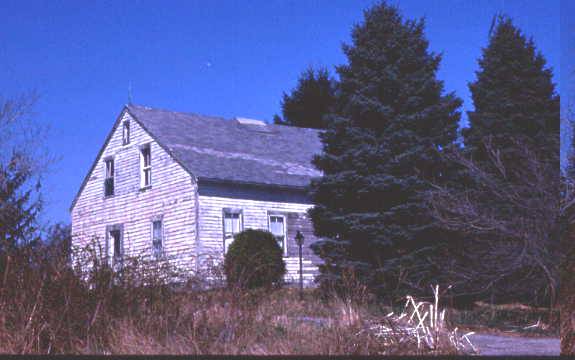
#6 Another Demolished Riggs home. This is another of the original Riggs Homes, which was taken in the 1970’s. It was then in a state of disrepair and has since been demolished. It seems we lose our history in just this way -- by dribs and drabs. A building here and one there as time rushes onward, and new owners fail to recognize the beauty and value of old homes.
-
#7 Gravestone of John Riggs
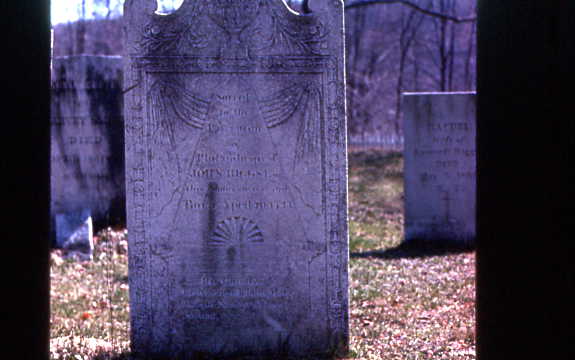
#7 Gravestone of John Riggs At least the Riggs gravestones are still standing in Oxford. This is the gravestone of John Riggs, Esquire in the Congregational cemetery. The ornate nature of the stone and the fancy inscription show he was a wealthy and important man in the community.
He was active in the American Revolution, marching to the Lexington Alarm in Boston. He was captain of Oxford’s local militia. He also served in the defense of New Haven when the British attacked that city in 1779.
John Riggs was also active in the community, and served as moderator of the first town meeting held in Oxford after it was incorporated as a separate town.
However, his tombstone doesn’t mention his military service -- it just notes he was a deacon in the Congregational church. Apparently, at the time of his death, local people hadn’t realized the significance of the war they had lived through, and never thought to include mention he was a soldier of the War of the Revolution.
-
#8 John Twitchell House.
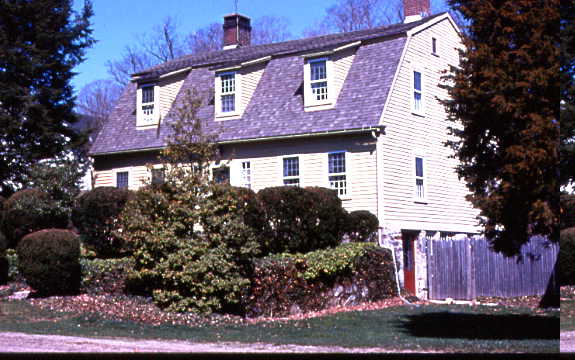
#8 John Twitchell House. This is the John Twitchell House, built sometime before 1741. At this house, the original meeting of the Oxford Congregational Church was held.
In 1804 it was a store and a Masonic Lodge was organized here.
This house was the site of the first Oxford Post Office when Walker Wilmot was appointed postmaster in 1807.
Built by John Twitchell, it was later owned by Job and Daniel Candee, brothers, who served in the American Revolution. The Candee brothers built a number of homes in Oxford, One of them is now known as the Oxford House Restaurant.
-
#9 Hudson House
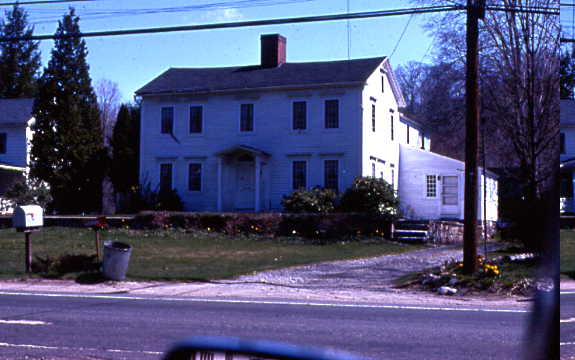
#9 Hudson House This house on the Oxford Road, located opposite the old Town Hall, was built about 1750 by the Candee family.
-
#10 Oxford Congregational Church
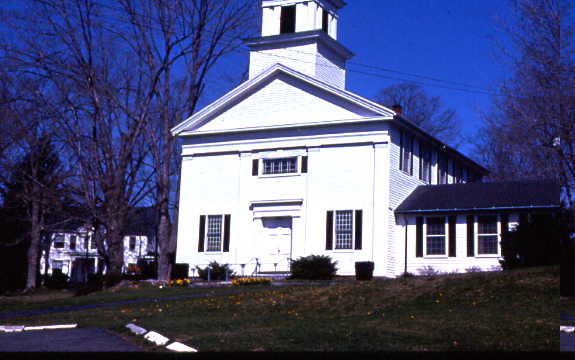
#10 Oxford Congregational Church Another building done by the Candee family was this church. The first building here was built in 1741, through the leadership of Rev. Jonathan Lyman. The sanctuary portion of the building you see was built in 1795 by Timothy Candee. It replaced the earlier building which had burnt.
The church agreed to pay $3,300 for the building. The church, however, was unable to pay off the debt. Candee, who has spent much of his money on the project, was unable to repay his debts and fled to New York to escape his creditors.
-
#11 Harris House
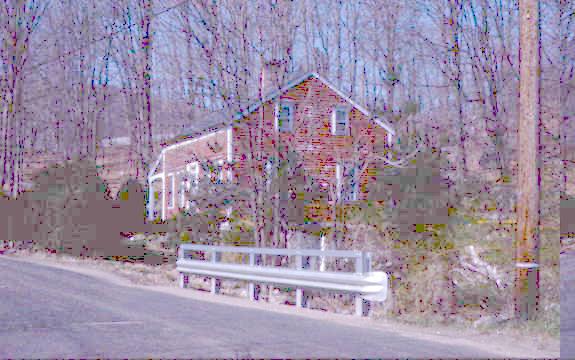
#11 Harris House This tiny red and white house on Governor’s Hill stood empty for 30 years before it was restored and improved. The house has a basement summer kitchen, with a large bake oven fireplace. The thick stone walls made the room a cool place to prepare meals on a hot summer day. The old panelling is still in the summer kitchen.
The house is representative of small country homes built by less affluent people in Colonial times. There are very few of these smaller colonial homes left in Oxford.
-
#12 Washburn Tavern
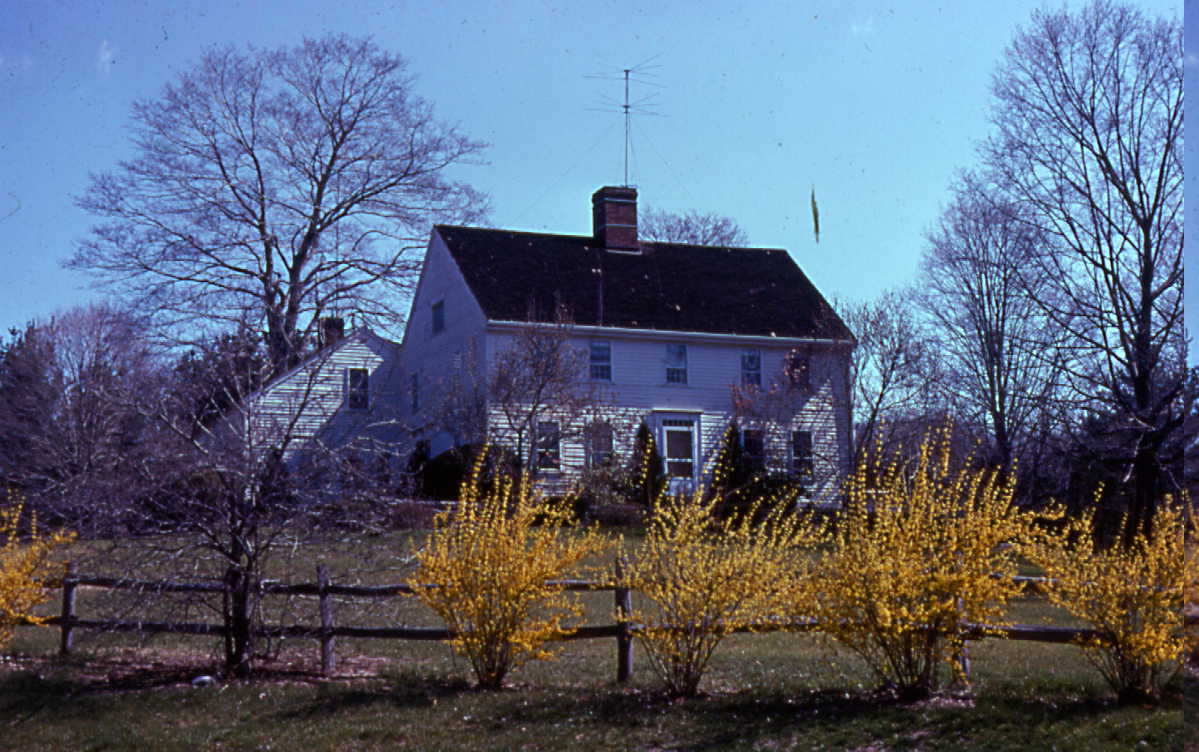
#12 Washburn Tavern This is the old Washburn Tavern on Oxford Road. It was famous during the American Revolution. Originally built in 1714 by John Twitchell, it was expanded about 1741 by the Washband family who brought the property and started a tavern. It was expanded again in 1794.
The house was involved prior to the Civil War as a station in the underground railroad. Hiding places for the runaway slaves are found in the cellar. It is the only documented Underground Railway station in Oxford.
Oxford residents had owned slaves for many years. The slaves were full members of the Congregational Church. St. Peter’s Church records also mention slaves. There are no records of slaves after 1816. Many of the slaves had been freed by their masters in exchange for serving in the American Revolution.
-
#13 Wooster Tavern
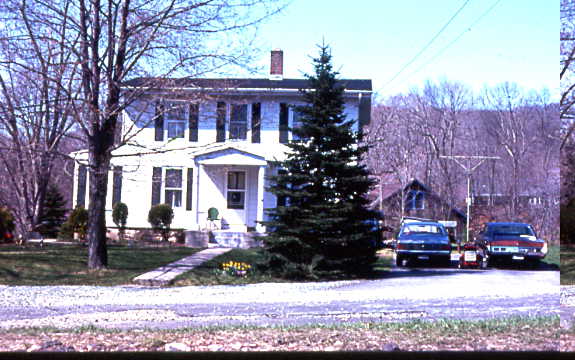
#13 Wooster Tavern This is not a colonial house, but it as built on the site of an early Colonial tavern. The present owner of the house had in the 1950’s taken a psychic into the cellar of the home and she said that horrible things involving slaves and kidnapped people had happened here. The owner dismissed the idea, because the house was not that old. However, research among land records and unpublished diaries shows that this was the site of the Colonial tavern of Captain John Wooster. This tavern was a hiding place for the Tories who kidnapped Chauncey Judd in the Gunntown area, after robbing a patriot in Bethany. The youth was held for a time in this cellar.
The Tories were later captured on Long Island Sound, and the man returned to his family. The tavern was taken down and this home was built on the original site. Parts of the original building material were used in the construction of area homes, including the Oxford Congregational Church parsonage. Wooster was known for his ownership of several slaves during the American Revolution. A town meeting held during that time voted to free the Captian’s slaves so they could go serve in the patriot army.
-
#14 Jacks Hill Cemetery
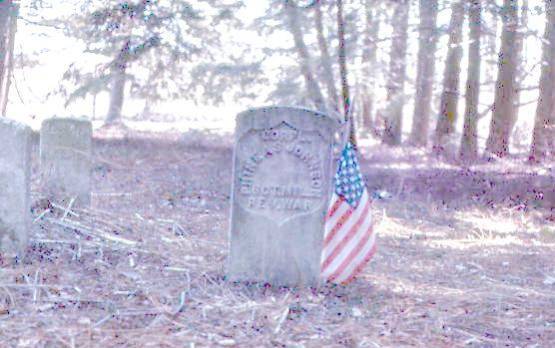
#14 Jacks Hill Cemetery Here at old Jack’s Hill Cemetery, are several interesting gravestones. This is the burial place of Phineas Johnson, an American Revolution veteran. He was in several battles, and served under General Wayne, and with George Washington at Stony Point on the Hudson River.
-
#15 Southford Cemetery
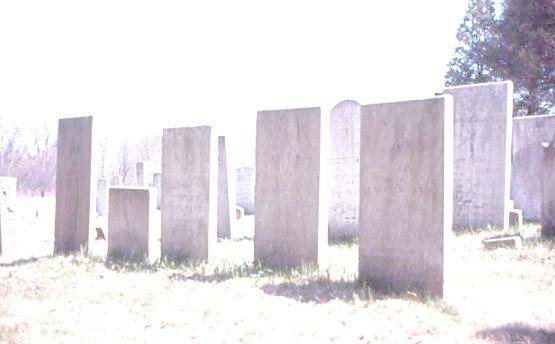
#15 Southford Cemetery This is a view of Southford Cemetery, where members of the Candee family are buried. The cemetery is still in use today.
-
#16 Hillside cemetery
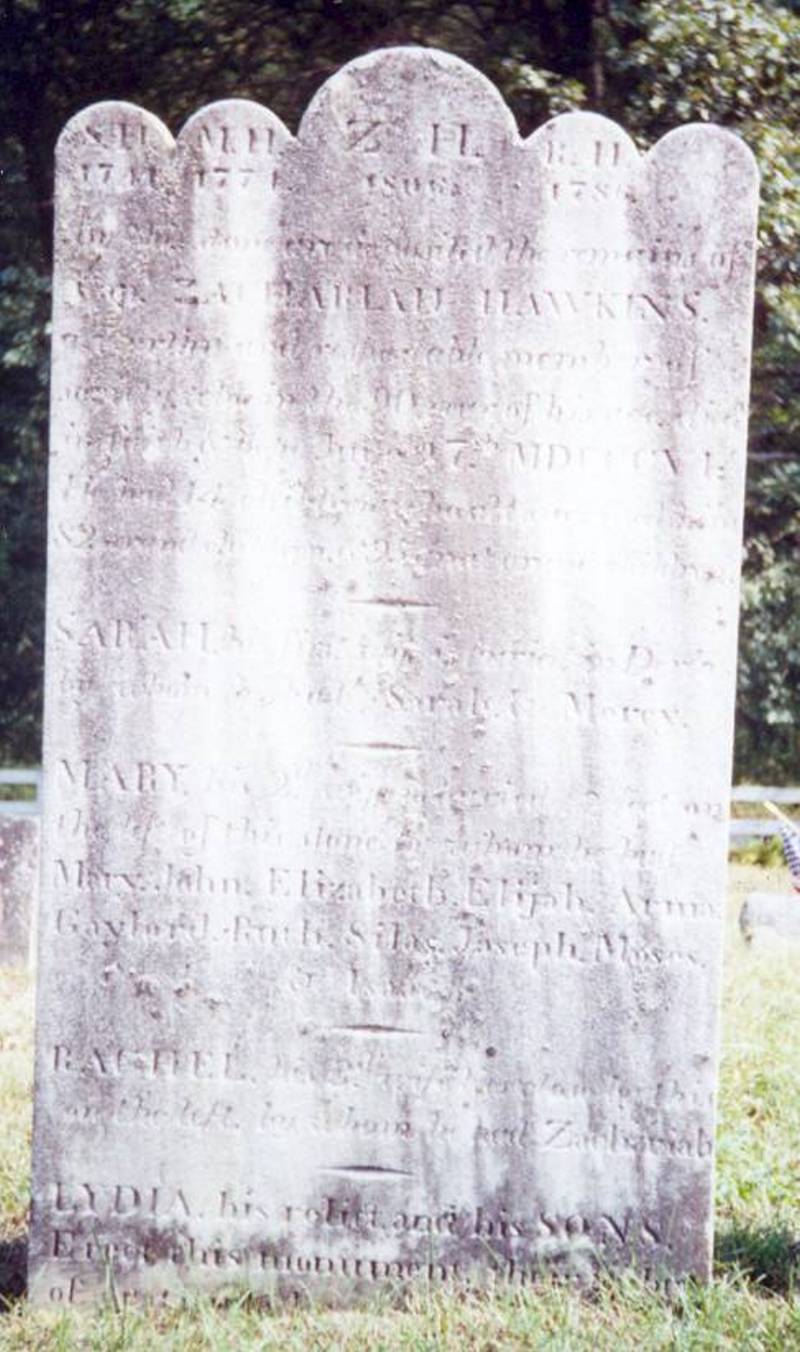
#16 Hillside cemetery The tombstone pictured belonged to Captain Zachariah Hawkins. The inscription is faded, but historian William C. Sharpe recorded it a century ago. It reads:
"By this stone are deposited the remains of Capt. Zachariah Hawkins, A worthy and respectable member of society. He had 14 children who all survived him, 82 grandchildren and 95 great-grandchildren. Sarah, his first wife, is buried in Derby. Mary, his second wife, is buried 12 feet on the left of this tone. Rachel, his third wife lies close by on the right. Lydia, his relict and sons erect this monument, their tribute of gratitude, love and honor."
-
#17 Isaac Chatfield
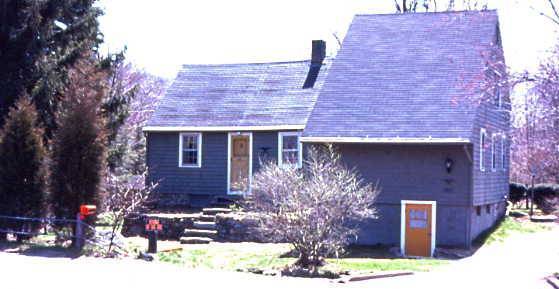
#17 Isaac Chatfield Also in Hillside Cemetery, lies Isaac Chatfield, who was one of the volunteers who marched from Oxford to the defense of Boston during the Lexington Alarm in 1775.
-
#18 Miller House
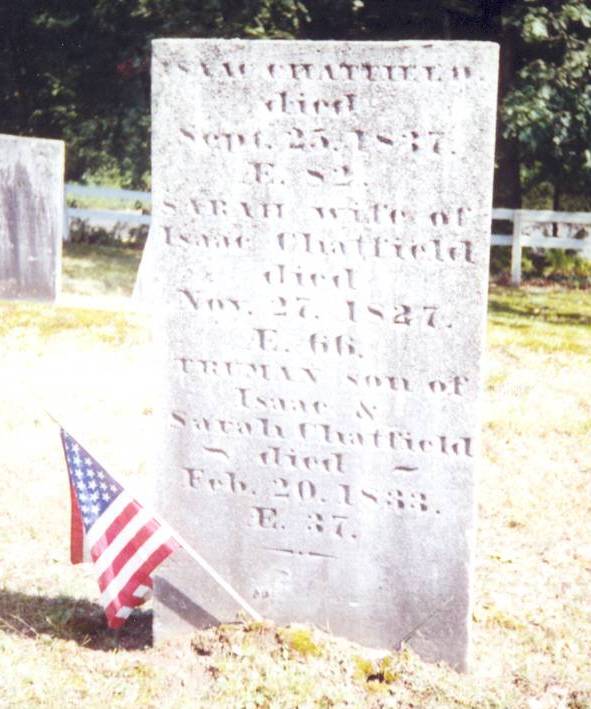
#18 Miller House This house on Barry Road is made of two parts, one constructed in 1976 and the other about 1747. The house is known as the Miller House. The man who lived here operated a grist mill on the Eight Mile Brook.
-
#19 Wooster House
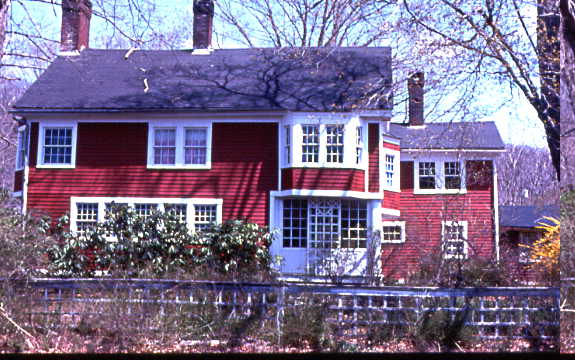
#19 Wooster House On Route 34, near the Seymour-Oxford town line, there stands this large two-story house. It is thought to have been built around 1731. An old map of the property shows that it was owned by the Wooster family of Derby in the 1800’s. Some historians believe that David Wooster, who died a patriot hero at Danbury, lived here as a youth.
-
#20 Moody-Brown House
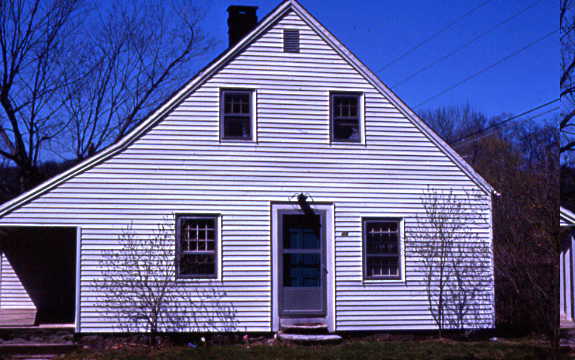
#20 Moody-Brown House This is the Moody Brown House on Riggs Street. It was built about 1750 by Mr. Browne who was a leader in the hatter industry in Oxford. A woolen mill was located on the property in the late 1800’s.
It was later Rodney Robinson’s blacksmith shop, and later still a meat market. Located near the Congregational Church, this property was another example of the bad luck of the Candee family. This was at one time owned by Enos Candee, who sold it to Charles Munson in 1807. Munson was unable to meet his payments. Candee had him sent to Litchfield Jail, and the property reverted to Candee, who later sold the house in 1818 for $475.
This house was remodeled by former Supt. of Schools, Ned Schade, who found chains and leg irons in the cellar -- apparently for the keeping of slaves.
-
#21 Edward Bassett Gravestone
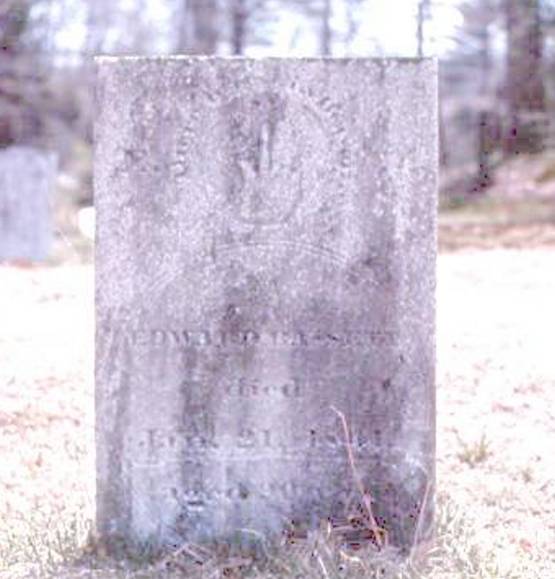
#21 Edward Bassett Gravestone This is the gravestone of Edward Bassett, now located at Riverside Methodist Church. It was moved to that location from Zoar Bridge when the Stevenson Bridge was built. Bassett was a soldier of the American Revolution. The up-wards pointing hand served as a reminder to those he left behind, that they, too, would someday pass from this countryside.,